Winnipeg’s Cabinet Rosebank 21 year (1990/2011) 53.8%

One tradition of the Winnipeg Whisky Cabinet is to offer the guest an opportunity to chose from the open bottles an ‘appetizer’ whisky to warm up the palate for the evening goodies.

Neatly written in alphabetical order by distillery, the list was impressive with a range of affordable familiar friends to one that made me go  ‘I can’t believe you have this!’

Clearly that was the one I selected…

The Cabinet Whisky List

Discontinued distilleries have a certain mystique about them. Even if not brilliant drams, the very fact that what you try today will be gone tomorrow and never to be replaced, adds a certain bittersweet element to the equation.

My past trysts with Rosebank were limited and mixed – largely as were from highly oxidated bottles that had remained on the shelf a little too long. However, a softer, more delicate dram isn’t such a bad way to start an evening… particularly if we would be continuing with a peaty theme…

What were some of the impressions from our Cabinet evening?

Rosebank 21 year (1990 / 2011), Bottle 1789 53.8%

  • Nose – Sweet perfume, quite herbal, drizzle of honey, yet also salty with a clear alcohol chaser, a bit of malt started to push forward
  • Palate – Hot and sour then mellowed into a solid yet soft whisky
  • Finish – Lightly citrus with little else

Overall, it had a bit of a muted “burst of sunshine” quality. It may be relatively simple yet it is well crafted. I couldn’t help but wonder how it was when first opened…

Rosebank 21

What does the bottle have to say?

Light-bodied, this pale gold 21 year old comes from a last golden age at the distillery. Soft, fruity aromas on the nose give way to a delicate, even rose-scented, floral character. The palate is tongue-tingling, clean and fresh, becoming silky with a little water before a soft, flowery sweetness and lemony acidity lead to a round, drying finish.

Here is what the Cabinet lad’s shared:

Carissa selected the Rosebank 21 year old, a lowland whisky from a now shuttered distillery. This is a fiery cask strength whisky with the classic lightly herbal and floral lowland profile backed up by a solid malt core. It is not special in that is in no way complex or exciting, but it is special in that the distillery no longer exists. We drained the last few drops from the last bottle we will likely ever have. The sensation was somewhat akin to eating a baby northern white rhino.

Just curious, I took a peak at auction prices for this bottle… which were averaging in 2016 around US$650. Far steeper than my whisky indulgence budget so I was all the more grateful to have sampled a dram courtesy of the Cabinet.

Also quaffed at the Winnipeg “Cabinet” evening:

You can also find Whisky Lady in India on:

Old Pulteney 21 Year 46%

A year ago, I had the distinct pleasure of attending a master class with Inver House Master Distiller Stuart Harvey.

Our evening featured three whiskies being launched in India:

However there was a special treat waiting in the wings to pair with desert… The award winning Old Pulteney 21 year!

Photo: OldPulteney.com

Photo: OldPulteney.com

Here’s what I found:

  • Nose – Salty spice, all that maritime delight in the 12 year brought into focus, made richer, fruitier yet with a spicy earthy undertone
  • Palate – Super smooth, exceedingly well-balanced, sweet, smoke, chewy… in short delicious!
  • Finish – Light turmeric, a bit bitter yet lovely, made you return for more….

Stuart shared that typically a 21 year would loose 50% to the angels share… noting that generally in Scotland, one loses 2% per year, yet after the 12th year the rate begins to slow down and, particularly for barrels maturing by the sea, can even re-absorb the salty sea moisture, adding to the character.

Specifically, for the 21 year, Stuart noted it is matured in Spanish oak, pairs well with chocolate and, unfortunately, would not be available in India as they have a limited volume. Audible sighs could be heard throughout the room!

Stuart did share that they will be bringing out more single casks in 2016 as “some are worth it.”

As he put it – nothing beats the combination of having a “good cask maturing a good new make spirit.”

Official tasting notes:

  • Appearance – Golden amber with straw highlights
  • Nose – Full bodied with traces of fruits (apples and pears); slightly fragrant with spicy overtones.
  • Taste – Creamy, toffee, vanilla, baked red apple with a hint of smokiness and a dry finish.
  • Profile – Toffee, vanilla, spice, hint of smoke

Want to explore more Old Pulteney tasting experiences?

You can also find Whisky Lady in India on:

Whisky Lady – July 2016

Carissa Hickling's avatarEveryday Asia

July was honestly just a lot of fun. Just as June was full of travels, July was very much Mumbai focused.

Glenkinchie, Clynelish, Jura, Cardhu, Ardbeg

Our original club and Bombay Malt & Cigar club took a break, however no mere monsoon could hold back our intrepid Whisky Ladies who tackled 5 whisky regions with:

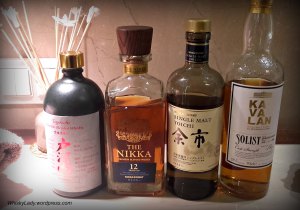
Togouchi, Nikka, Yoichi, Kavalan

A long pending invite lead to a lovely evening sampling Far East whiskies with:

  • Togouchi Kiwami 40% – A most sake-like whisky! Grain from Canada and malt from Scotland, matured and blended in…

View original post 248 more words

Wimp vs Connoisseur – Whisky strengths

Recently I was part of a short clip for a travel and leisure program. During our whisky sampling, the topic of whisky strength was raised.

Now, for a Scotch whisky to be considered a whisky, it requires a minimum alcohol strength of 40%.

I was reminded of an amusing exchange over a set of whiskies all at 40%:

“For some time now I’ve found that anything that’s around the low 40s%…. I’m like…” 
“You pansy?”
“Yes” 
“You wimpy excuse of a whisky?”
“Well yes…” 
“You why don’t you get some balls and up the strength??”
“Err… yes actually. At least 46%.”

Today when you look at whisky bottles, you will see a range of strengths from the 40% minimum, to many at 43%, to quite a few at 46% and then varying strengths leading up to powerful ones even higher than 60%!

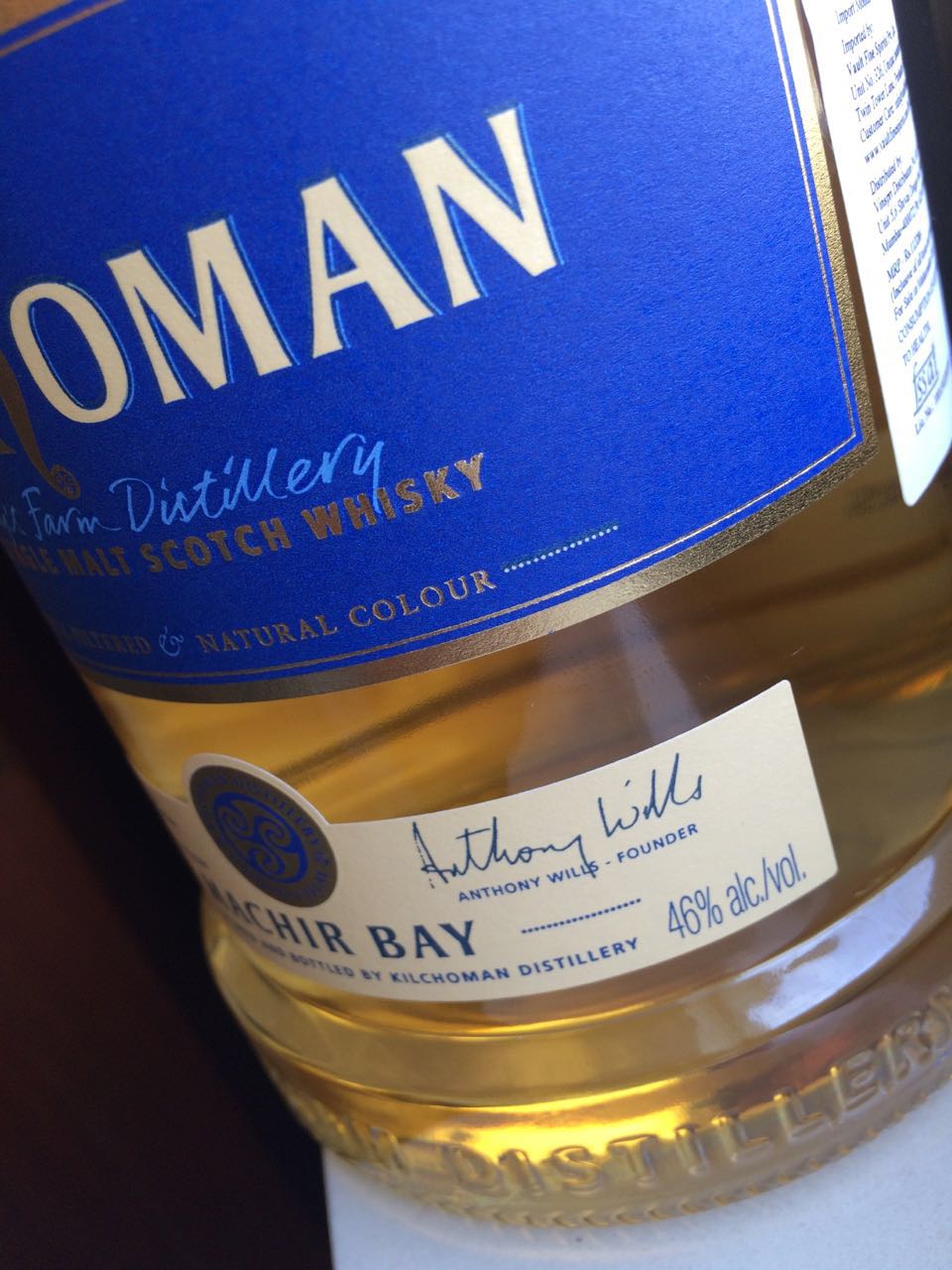
Whisky strength? 46%

Whisky strength? 46%

I will admit to a personal preference for cask strength whiskies as it enables me to calibrate through trial and error to discover as the optimal balance between alcohol and water for my palate.

However there is something to be said for the ‘experts’ making this call.

Hence I quite appreciate when distilleries up their strength beyond 43% to find the ‘optimal’ level for that particular expression.

It has even been said that the default ‘connoisseur’ level is 46%. Two reasons:

  • For many, this is an ideal strength where one can comfortably have it neat yet also ‘open’ the whisky with a few drops of water
  • Typically at 46% and above, there is also no need to chill filter to keep the whisky from looking ‘cloudy’

It is no surprise then that many independent bottlers start at 46% and many distillers too are opting to bottling at 46%… Think Arran’s 12 year, Kilchoman’s Machir Bay and Glendronach’s 15 year.

Would you agree?

You can also find Whisky Lady in India on:

BenRiach 15 year (1999/2015) Cask #44016, 55.1%

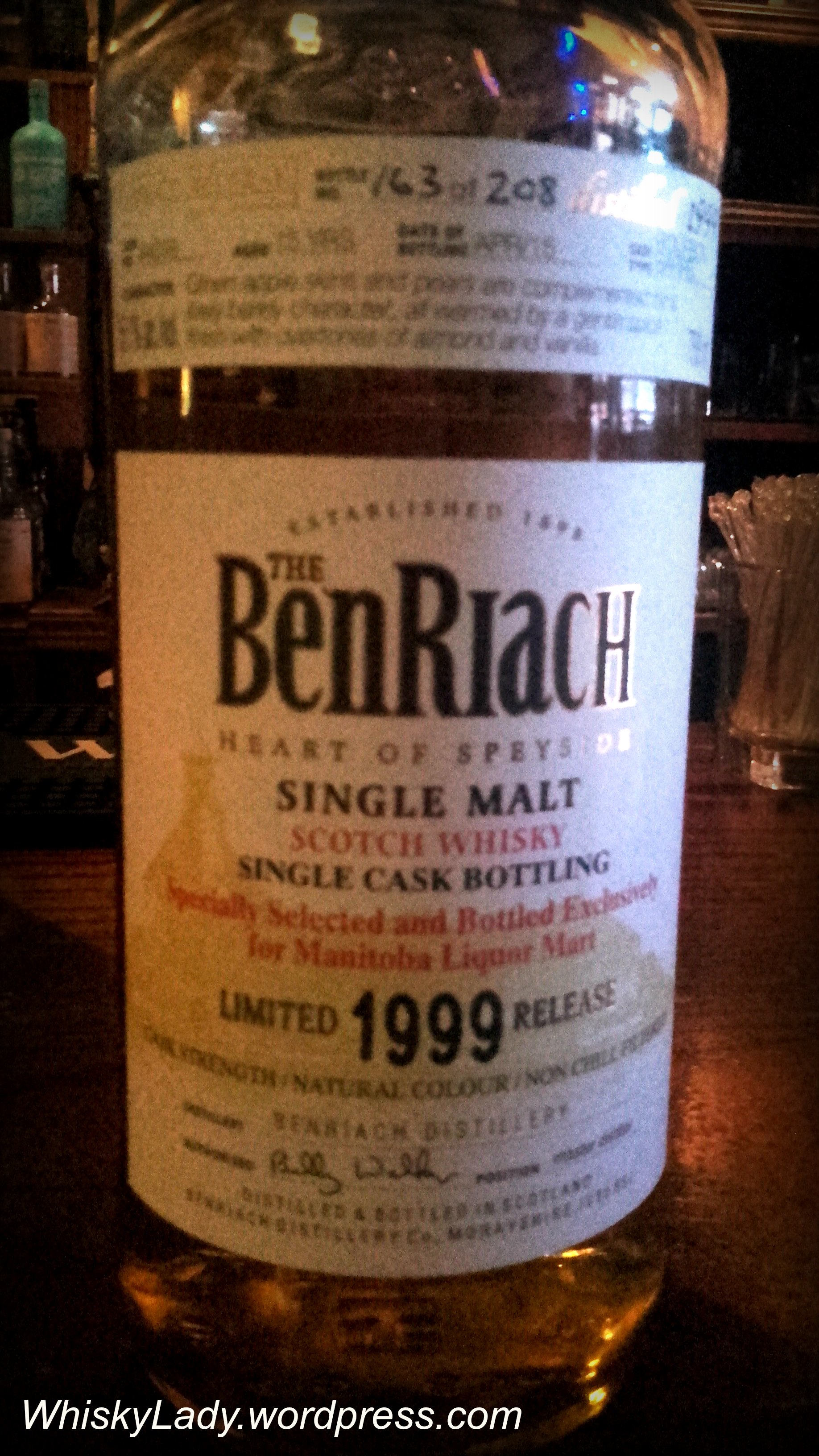
So… what was the whisky recommended at Toad in the Hole pub’s Whisky Bar? A limited release BenRiach sold only in Manitoba at our provincial liquor mart.

Yup… you read that correctly. The independent whisky makers over at the BenRiach distillery decided Manitobans deserved their very own cask #44016.

BenRiach 1999

BenRiach 15 year (1999/2015) 55.1%

Cask no 44016, bottle 163 of 208

  • Nose – Warm cinnamon, pears, butter pecan, soft rum, apple crisp… think warm butterscotch
  • Palate – Very approachable – a little nutty, vanilla and cream “I’m in my happy place now”… imagine that butterscotch now generously poured over a high quality rich high-fat vanilla ice cream
  • Finish – Quite pleasant with light dancing nutty spice

The only problem? It was gone too quickly!

On the bottle, it was described as:

Green apple skins and pears complemented by a lively barley character, all warmed by a gentle spice finish with overtones of almond and vanilla. 

Here is what the Manitoba Liquor Mart has to say:

EXCLUSIVE to Manitoba Liquor Mart! This specially selected product has been resting in a first-fill Bourbon cask in the famed Scottish Speyside region from 1999 until its bottling in April, 2015. On the nose a sweet floral oak note explodes to heather-honey, lemon, apples and poached pears, all of which is surrounded by the richness of dark vanilla pod, toasted coconut and notes of crème brûlée. On the palate, green apple skins and pears are complemented by a lively barley character, all warmed by a gentle spice finish with overtones of almond and vanilla.

 As for me? Very happy to have the privilege of sampling this dram!

Other BenRiach tastings:

You can also find Whisky Lady in India on:

Whisky Ladies Scottish Tour – Ardbeg 10 year 46%

We closed our Scottish regions tour with the Islay region… known for its big smoky, peaty drams. This character came from a very practical use of traditional fuel source – peat – to dry the barley as there wasn’t exactly an abundance of trees on the island.

With nine active distilleries and more coming, whisky is the 2nd largest industry on the island. For those enjoy bolder whiskies, on the more consistently peaty side there are BowmoreCaol Ila, KilchomanLagavulin, and Laphroaig. By contrast, Bunnahabhain favours no peat and Bruichladdich is a great example of how distilleries are producing a range of styles – irrespective of region – from unpeated and organic to peated Port Charlotte and super peated Octomore range.

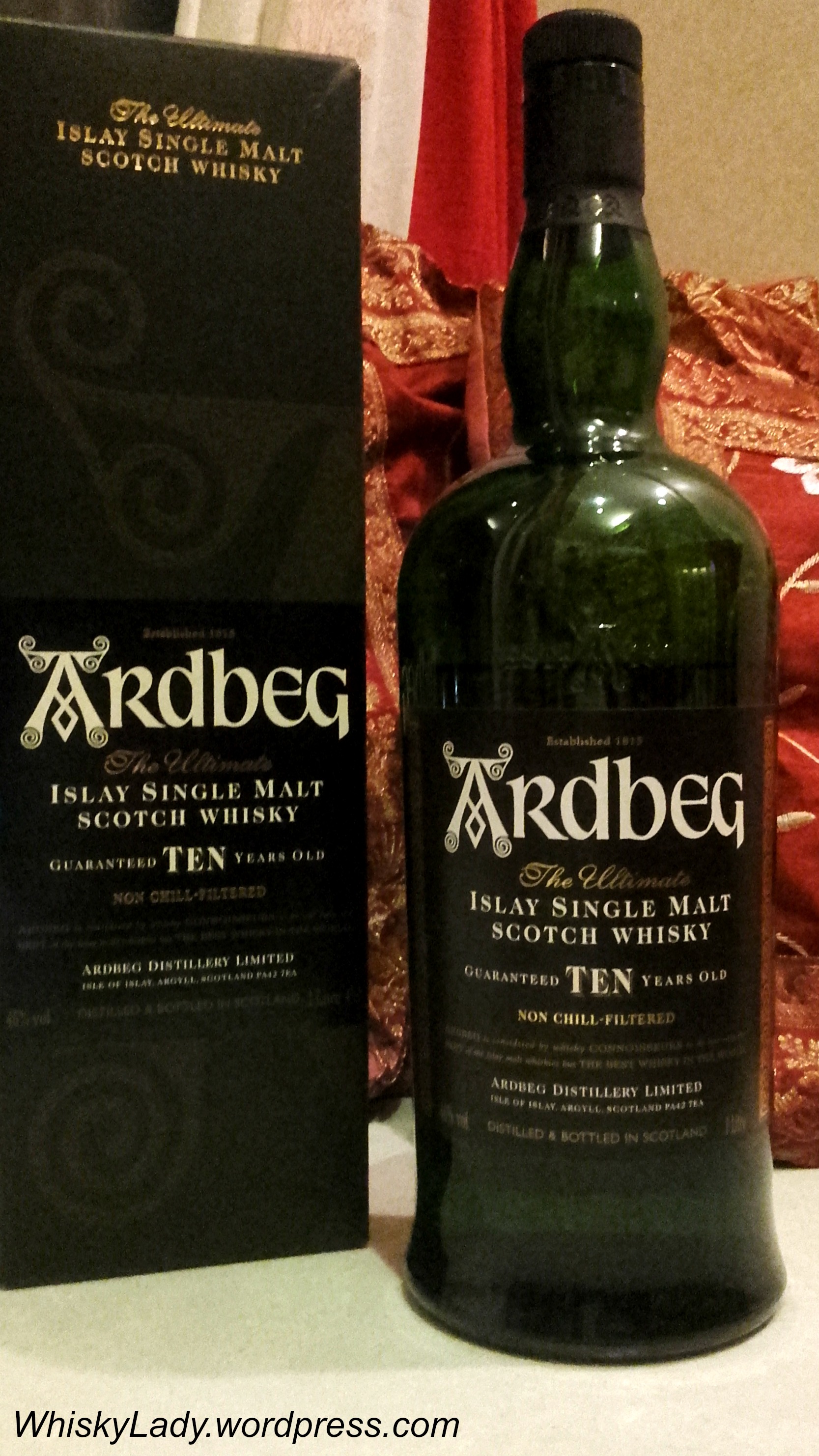
As for Ardbeg? It is considered by many the grand peat monster of them all! Peating at about 50 ppm, there is no mistaking the character of an Ardbeg. As for us? Though most of Ardbeg are NAS, we went with the classic 10 year age statement for our tasting…

Ardbeg 10

And what did our Whisky Ladies find?

Ardbeg 10 year 46%

  • Nose – Mmmmmm peat! Smoked haddock, black pepper, skunky smoky feel, ash with a menthol sweet zing, then warms into vanilla and cocoa with a dusting of cinnamon
  • Palate – Straight forward, hickory sticks and hay, very smooth for all its boldness yet also quite chewy…. this is no subtle dram
  • Finish – Smoke settles in with a coffee toffee with a cooked apples chaser

One lady described it as “cigarettes and apple sauce!”

That’s just it – either you enjoy peat or you don’t. There was a clear division in the room with some ladies going “FINALLY!!!!” And others wrinkling their noses in distaste.

Here’s what the folks over at Ardbeg have to say:

  • Nose – A burst of intense smoky fruit escapes into the atmosphere – peat infused with zesty lemon and lime, wrapped in waxy dark chocolate. Bold menthol and black pepper slice through the sweet smoke followed by tarry ropes and graphite. Savour the aroma of smoked fish and crispy bacon alongside green bell peppers, baked pineapple and pear juice.Add water and an oceanic minerality brings a breath of cool, briny seaspray. Waxed lemon and lime follows with coal tar soap, beeswax and herby pine woodlands. Toasted vanilla and sizzling cinnamon simmer with warm hazelnut and almond toffee.
  • Palate – An explosion of crackling peat sets off millions of flavour explosions: peat effervesces with tangy lemon and lime juice, black pepper pops with sizzling cinnamon-spiced toffee. Then comes a wave of brine infused with smooth buttermilk, ripe bananas and currants. Smoke gradually wells up on the palate bringing a mouthful of warm creamy cappuccino and toasted marshmallows. As the taste lengthens and deepens, dry espresso, liquorice root and tarry smoke develop coating the palate with chewy peat oils.
  • Finish – The finish goes on and on – long and smoky with tarry espresso, aniseed, toasted almonds and traces of soft barley and fresh pear.

Would we agree? Certainly those who are peat fans would and this was the dram they had been waiting for all night!

The Whisky Ladies of Mumbai’s Scottish Regional Tour covered:

The close of our regional tour was also a farewell for a most amusing American whisky lady who is back to the ‘motherland’ for a bit before continuing her life adventures in Brazil. Both she and her often brilliant whisky comments will be much missed! We wish her well!!

You can also find Whisky Lady in India on:

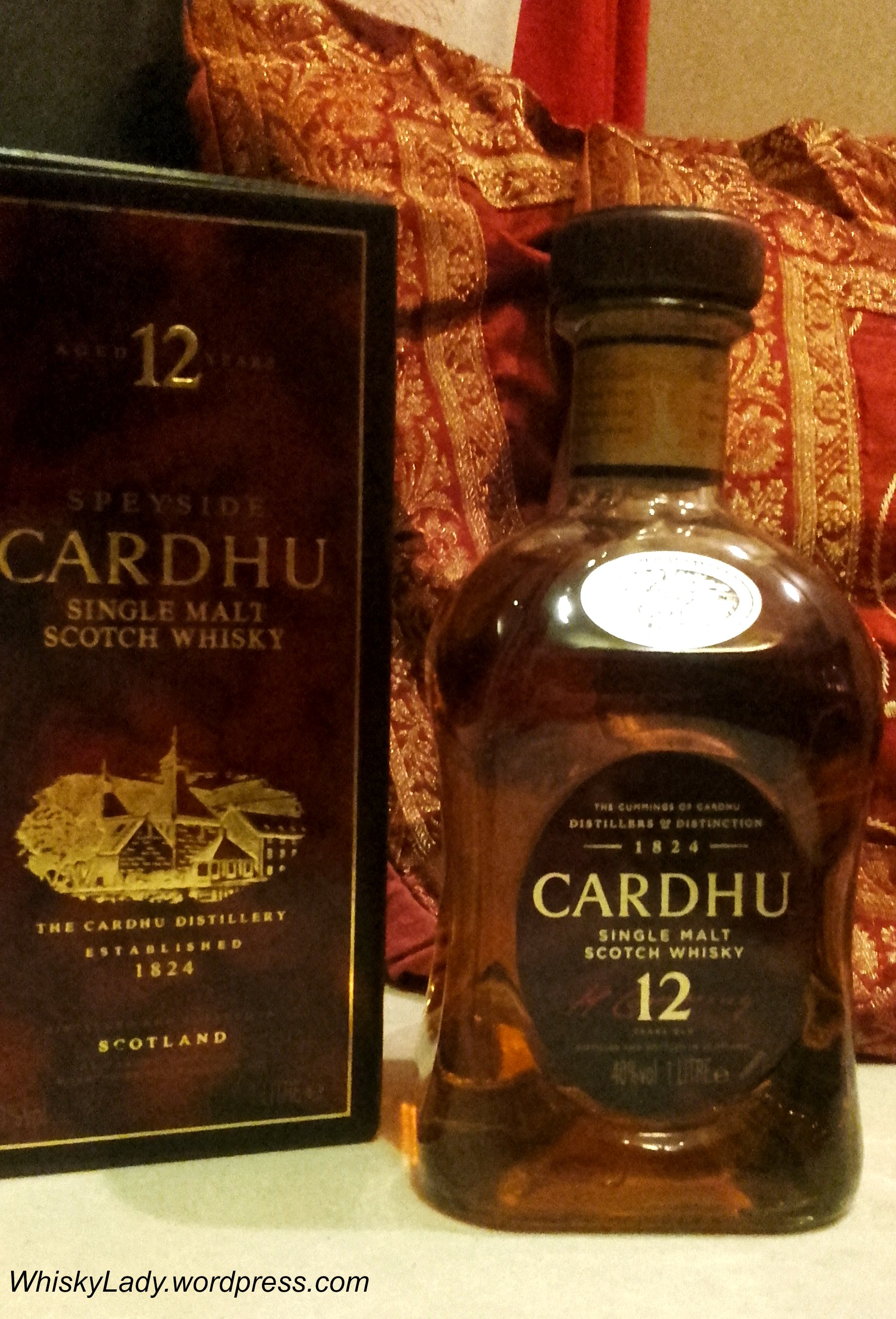
Cardhu 12 year 40% – Bottle battle of old + new

Next in our Scottish regions tour was a whisky from Speyside… a region that takes its name from the river Spey. While technically also in the Highland region, with a cluster of over 100 distilleries, it is now considered an official region.

In terms of single malts, over 60% of Scotland’s single malt production comes from the Speyside region. Some better known distilleries include Aberlour, Balvenie, CardhuCragganmore, Dalwhinnie, Glenfarclas, Glenglassaugh, Glenfiddich, Speyburn, The Macallan, The Glenlivet, and The Glenrothes.

Classic Speyside whiskies tend to be lighter, honeyed and easy to drink – think Glenlivet, Glenfiddich. Yet equally, there is another side to Speyside whiskies that  favour maturing in Sherry casks, producing robust rich berry bombs – think Aberlour, The Glenrothes, The Macallan.

And Cardhu? Here’s what our Whisky Ladies found…

Cardhu 12

Cardhu 12 year 40%

  • Nose – Sweet syrupy, almost cloyingly sweet, some fruit like peaches, apricots and nectarines, a little red or white peppercorns, then cooked pineapple and a dash of nutmeg…
  • Palate – Sweet, slightly sour, maybe some maraschino cherry, hint of chocolate but frankly, flat… a kind of watery unsatisfying whisky, lacking in oomph and depth.
  • Finish – Almost vegetal with some orange and pepper

In short, it just wasn’t what most Cardhu fans remembered. We began to admit we were practically forcing ourselves to find different elements and once one voiced a concern it was simply ‘flat’ others – including the owner of the bottle – were relieved they were not alone in being disappointed.

Dawning realization that as we had opted for an open bottle, we were witnessing the way oxidation had taken its toll.

It simply wasn’t working for us.

Now… we just so happened to have an unopened bottle of Cardhu 12 year with us. I mean doesn’t everyone have a spare whisky bottle rattling around?

Should we? Shouldn’t we?

The temptation to compare the new bottle warred with the risk that the bottle’s owner would have their Cardhu ruined by sitting too long oxidating and falling prey to the tragedy of the bottle we just sampled…

Ah heck! The new bottle was cracked open and two glasses made their rounds of the room – the previously opened Cardhu vs the newly opened Cardhu.

What a difference!!

In the newly opened bottle we found a robust whisky, some slightly salty briney woodsy elements completely absent in the previously opened one. It was far more intense on the nose, much more fulsome with sweet spices, nutty with fruits. On the palate the instant reaction was “Yum!” – a jolt of deliciousness that then mellowed into sweet citrus rinds with cinnamon.

As we continued to compare the two, there was a sense of pity for the poor previously opened Cardhu bottle. It simply did not pass the ‘test’ and had gone from perky to floppy with no way to revive its limpness. The only consolation was the nose wasn’t completely gone and if someone doesn’t mind a mild sweet innocuous dram, it would still suffice. If you didn’t know what a ‘real’ Cardhu tastes like!

Here’s what the folks over at Cardhu have to say:

  • Nose – At full strength, heady, nose prickle, pear drops and tightly integrated heather, resin and sweet honey-nut notes. Enticing. Intriguing. With a little water, still harmonious but less pronounced, allowing some malt cereal, soft, spicy wood, moorland and faint traces of wood-smoke to appear.
  • Palate – Soft, pleasing and medium bodied. Well balanced, smooth mouthfeel; short punch, sweet and fresh, then a pronounced drying effect. Moorish. Enjoyable at any time, with little or no water.
  • Finish – Quite short. Some lingering sweet smoke in the attractive, drying aftertaste.
  • Overall – Attractive, subtle complexity; elegant and worth knowing. Spirity nose with sweet apple blossom and heathery aromas, well balanced palate with good viscosity, warming with a drying finish.

Overall we concluded the previously opened bottle was simply NOT the same calibre of whisky and had just lost too much… prompting horrified thoughts of other precious open bottles.

A debate ensued on whether there is universally such a dramatic impact on ALL bottles or just some. Whether peatier, cask strength or sherry bombs fare better or even that is not something one can depend on. How decanting is used to help accelerate oxidation for whisky where this actually brings out a more optimal character…

Morale of the story? Enjoy your dram while you can! And plans for an upcoming “Dram Dregs” session was born to help ‘rescue’ opened bottles before they slip too far past their prime!

The Whisky Ladies of Mumbai’s Scottish Regional Tour continues…

You can also find Whisky Lady in India on:

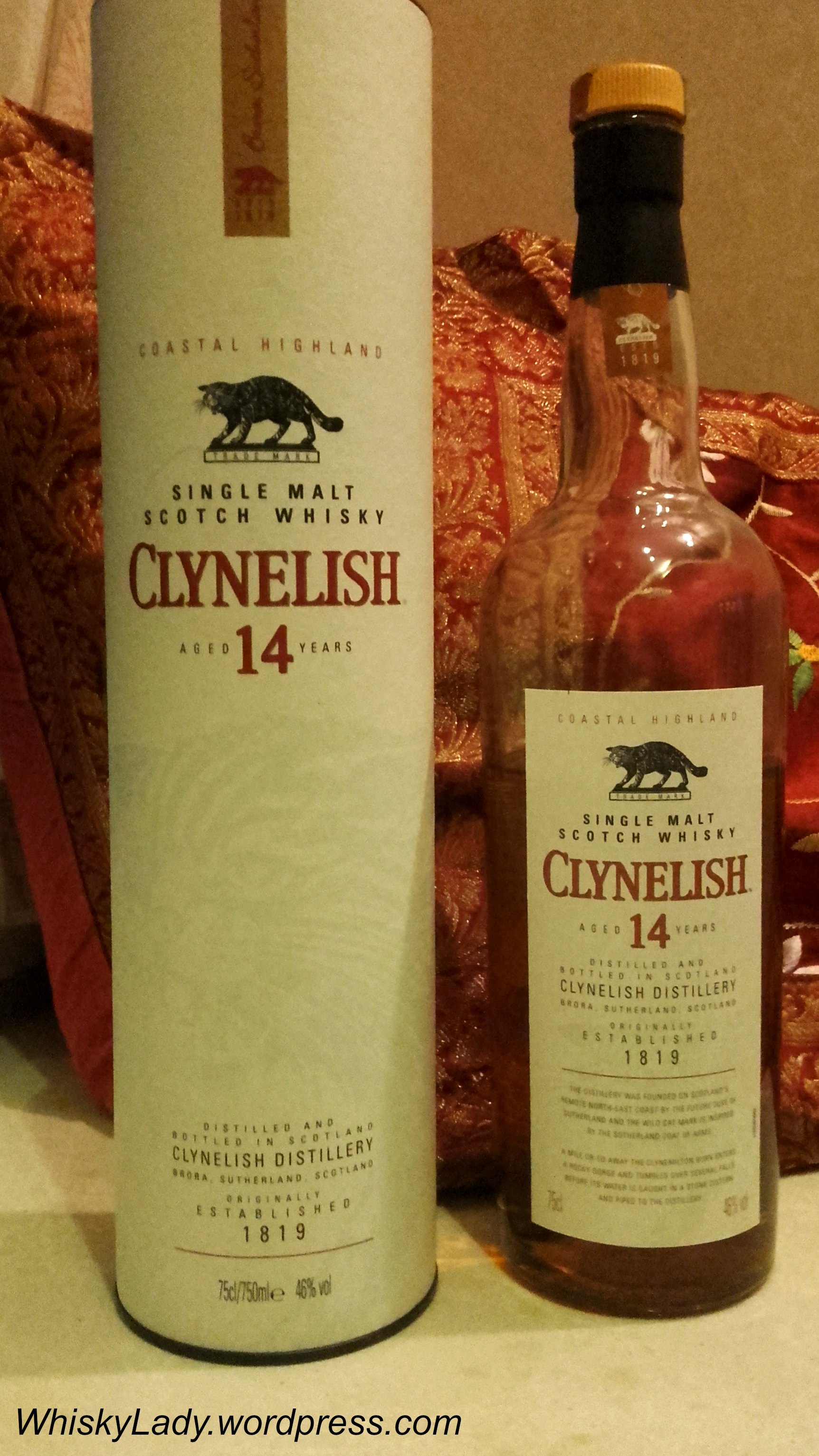
Whisky Ladies Scottish Tour – Clynelish 14 year 46%

Next stop on our Scottish regions tour was a whisky from the Highlands

The Highlands is the largest Scottish region, with a wide range of styles and a brilliant array of distilleries. In the East, there is Glendronach, Glenglassaugh, Glen Garioch and Ardmore. Whereas in the West, there is Oban and Ben Nevis. Smack in the Centre is Aberfeldy and Dalwhinnie. Go South to find Glengoyne, Loch Lomond, Deanston and Tullibardine. Whereas in the North, there is Glenmorangie, Dalmore and Clynelish.

Clynelish is considered a ‘coastal‘ whisky and, like many distilleries, has a past… tracing links to the old Brora distillery nearby that was initially closed, then re-opened in 1969 to 1973 to pump out peaty whiskies to cover a shortfall of Islay whiskies due to a drought, further exacerbated by the lack of whisky from Caol Ila while its distillery was being rebuilt. By 1983, production of a peated spirit was halted.

Meanwhile, just adjacent, the new Clynelish distillery had identical stills to its neighbour Brora yet focused on the lighter Clynelish style we know today, predominantly for blending.

Why intertwine the two? Practically the same location, same owner, same source for blends, both kept largely out of the single malt universe. Then in 2003, Diageo launched its classic malts selection and the Clynelish wild cat became available to the world.

Clynelish 14

And what did our Whisky Ladies find?

Clynelish 14 year 46%

  • Nose – Overripe fruit, plum, soft pears, bananas, almost a bit musty, a nutrition bar, nutty honey, chocolate fudge, then more caramel, citrus rinds
  • Palate – What a contrast! Not sweet as the nose suggested but instead hickory smoke, quite satisfying, nice round but hard to pull out anything in particular initially, then dry tobacco, a mulch of organic leaves, earthy
  • Finish – Very sweet, dry, developing longer wet sweet tobacco with a slight curl of spice

For some, they much preferred the nose to the palate. For others it was the reverse. And some were particularly happy to finally have a satisfying finish.

Overall many were pleasantly surprised to find how much they enjoyed the Clynelish which had more substance than initially expected. Still very much in the lighter vein it isn’t a complete lightweight to be immediately dismissed.

Here’s what the folks over at Clynelish have to say:

The 14 year old Clynelish single malt offers sweet floral fragrances and maritime flavours with a light, dry finish – a classic case of a coastal malt with a subtle island character.

And from the bottle, the following tasting notes:

  • Nose – The nose starts with light candle wax, with some sugar and a faint floral fragrance. Adding a little water brings this into focus, the candle wax is now richly scented as if , when strolling near the beach, you have come across sun-dried flowers among the sand dunes. 
  • Palate/Finish – On the spicy palate there’s a signature oily mustard-cress crispness, which is underscored by some maritime saltiness in the satisfying drying finish. 

Which garnered responses like:

“Not just any old flower but specifically sun-dried flowers… on the beach.. nestled amongst the sand dunes… “

“Who would put candlewax in their mouth?!”

To say we were amused is putting it mildly…

The Whisky Ladies of Mumbai’s Scottish Regional Tour continues with:

You can also find Whisky Lady in India on:

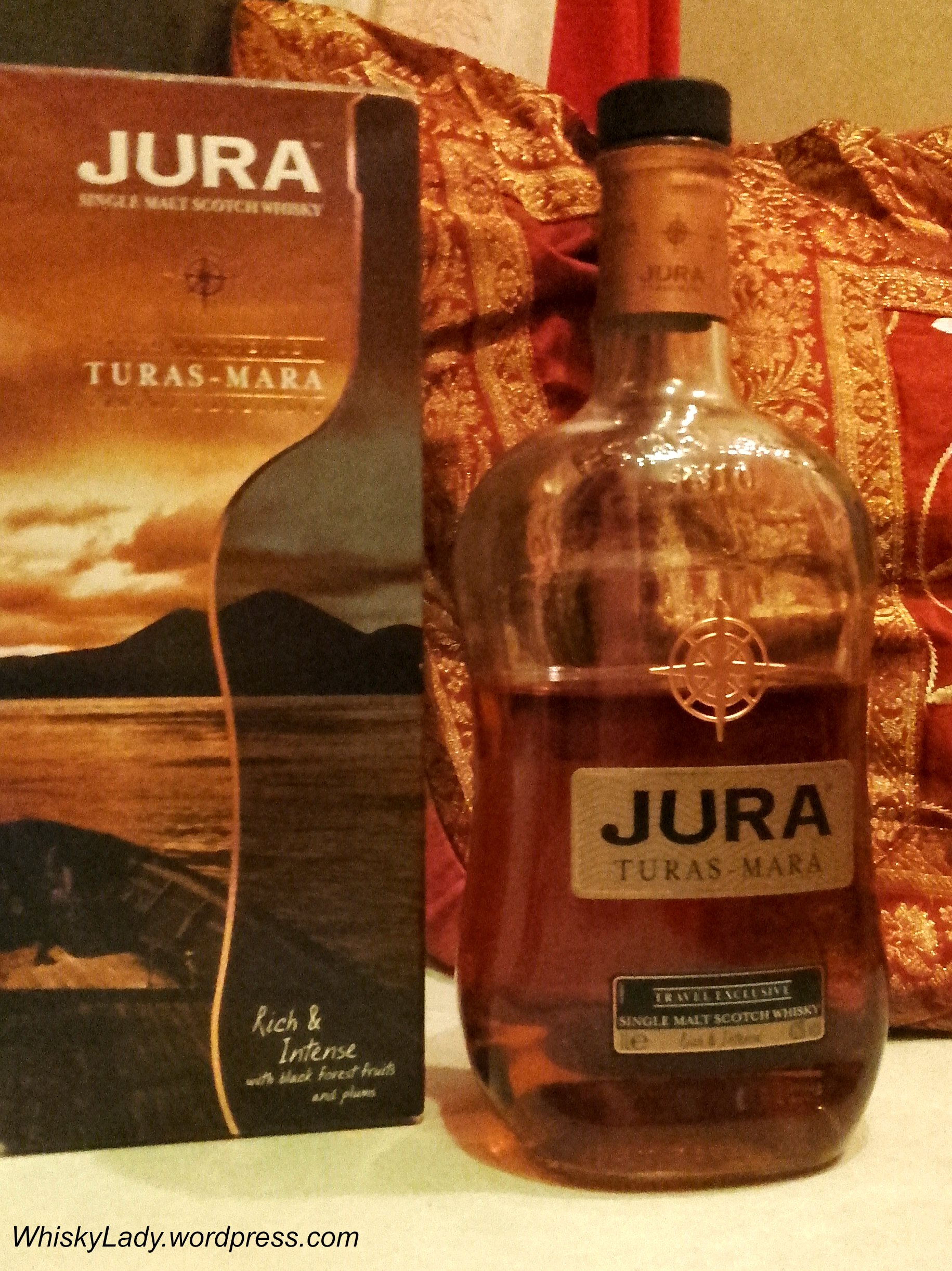
Whisky Ladies Scottish Tour – Juras Turas-Mara 42%

After the Glenkinchie Lowland whisky, we next planned to explore a whisky from the Highlands… However Bombay traffic being what it is, our Clynelish had a delayed arrival so we logically moved on to a Highland sub-region – the Islands.

To describe Island whiskies as diverse is a bit of an understatement. Just think – there are some 800 islands scattered around Scotland of which six produce whiskies. The islands of Arran, Mull (Tobermory/Ledaig), Jura, Skye (Talisker), Lewis (Abhain Dearg) and Orkney (Scapa and Highland Park) are home to an equally diverse range of styles.

The Island pick of the night was the Isle of Jura‘s ‘Turas Mara‘ which means ‘Long Journey’ and was launched for travel retail.

Jura Turas Mara

And what did our Whisky Ladies find?

Jura Turas-Mara 42%

  • Nose – Maple, very sweet spice, brown sugar, resin, mint liquor, Christmasy as it opened, vanilla, bubblegum, marshmallow, apple sauce or an apple tart
  • Palate – At first it seemed just light and easy to drink, absolutely no burn, smooth, a bit woodsy, cinnamon sweet spice, raisins, then as we sipped more began to recognize that it has substance, slightly chewy, some deeper elements as it continued to evolve
  • Finish – Some wood, star anise and mint
  • Water – Some thought NOOOOO! Others found it brought out a caramel quality to the sweetness

One by one, those who’d not been terribly impressed by other Jura offerings, confessed they rather liked the Turas-Mara. There was a silky richness and deceptive depth.

When we learned the malt is a mix of Jura whisky matured in Bourbon barrels, Bordeaux wine, Ruby port and Amorrosso sherry casks, we understood why it is a  departure from the standard Jura style. And we approve!

Here’s what the folks over at Jura have to say about their Turas Mara:

  • Nose – Vanilla, coconut and sweet toffee
  • Taste – A sweet and rich whisky with hints of honey, vanilla, succulent black cherries, fleshy grape pulp and juicy raisins

Did we agree? Sure about the nose but not so sure about the succulent, fleshy, juicy elements…

The Whisky Ladies of Mumbai’s Scottish Regional Tour continues…

You can also find Whisky Lady in India on:

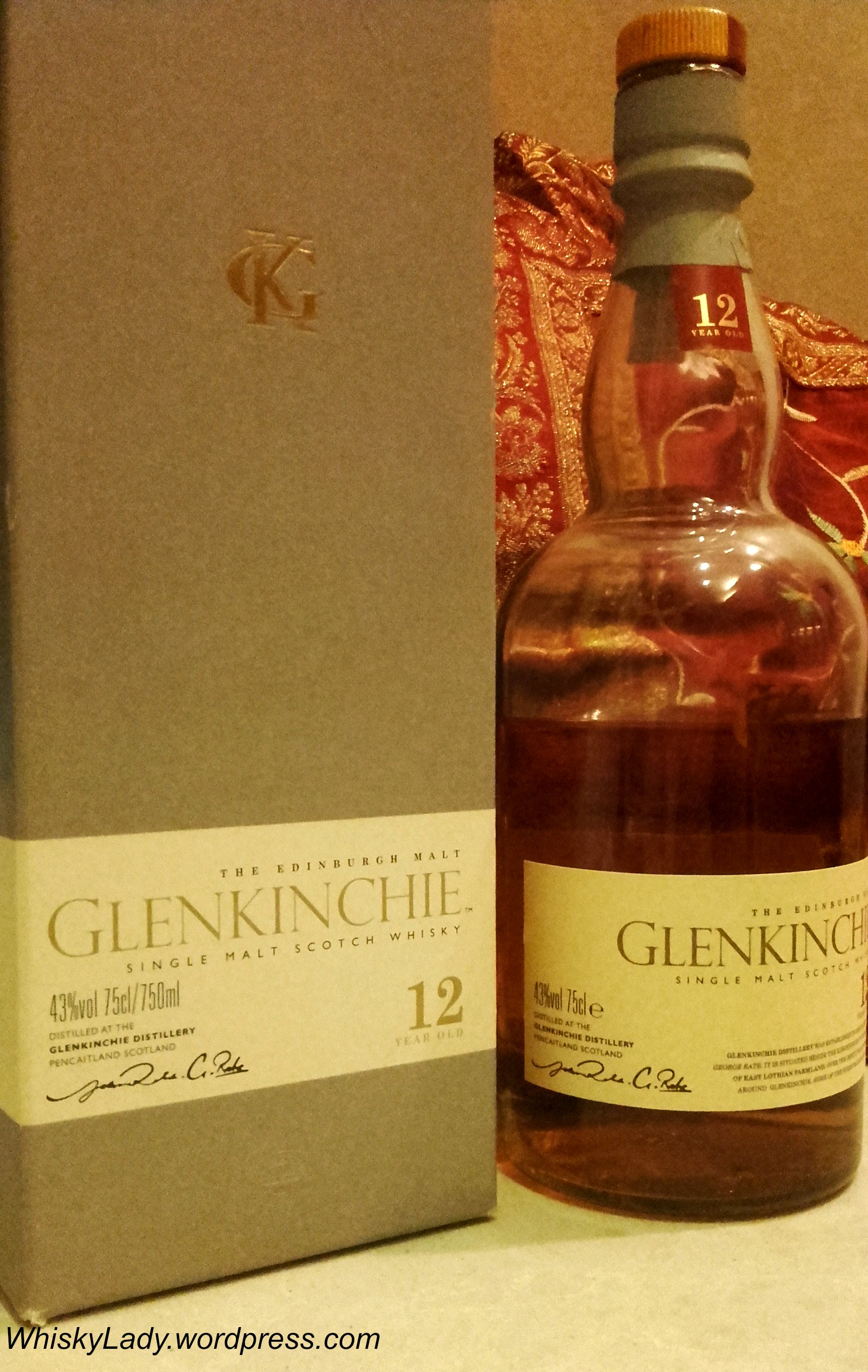
Whisky Ladies Scottish Tour – Glenkinchie 12 year 43%

First up in our Scottish regions tour was a whisky from the Lowlands… a region that is the backbone of blends producing primarily grain whisky.

In terms of single malts, there are now only a few active distilleries in the region with Auchentoshan probably the most recognized, Alisa Bay the newest entrant and Glenkinchie, our feature whisky for the evening, part of the Diageo stable. Three new distilleries are joining the Lowland ranks – Daftmill, Eden Mill, and Kingsbarns.

Lowland whiskies are reputed to be light, grassy without peat, typically triple distilled to make for a more delicate whisky, earning the nickname “The Lowland Ladies.”

It seemed a good place to start our evening…

Glenkinchie 12

And what did our Whisky Ladies find?

Glenkinchie 12 year 43%

  • Nose – Apple cider, honey sweetness, quite fresh, then began to reveal an earthy moss, floral perfume and sweet cinnamon spice
  • Palate – Alcohol then spiced apple cider, plank of wood, bit oily, musty cardboard
  • Finish – Chocolate heat, some star anise
  • Water – Bit a debate whether it was needed – for some made it flat, others felt it opened it and made it even sweeter, smoothened it as it damped down

Here’s what the folks over at Glenkinchie have to say:

  • Nose – Aromatic and floral notes.
  • Palate – Sweet with a slight liquorice aftertaste
  • Finish – Dry finish

Did we agree? Sure about the nose but not so sure about the succulent, fleshy, juicy elements…

The Whisky Ladies of Mumbai’s Scottish Regional Tour continues…

You can also find Whisky Lady in India on: