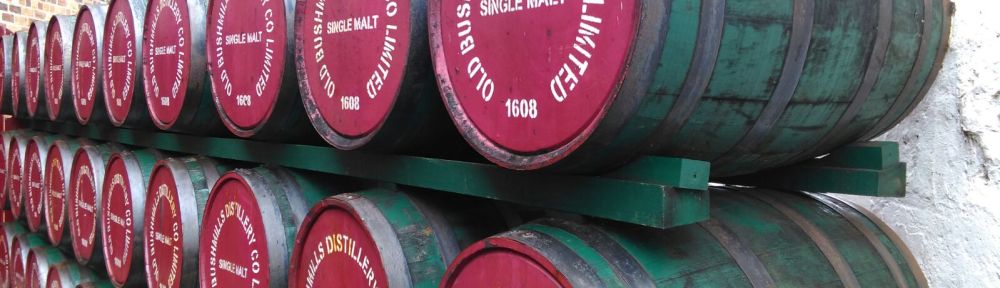
England, Ireland, and Wales have collectively experienced a whisky revival. Once upon a time, Ireland was considered a powerhouse of whiskey, but it has since consolidated into just Jameson’s and Bushmills. Whereas, whisky making in England was practically extinct from 1905 until 2006, it went from 0 – 50 distilleries! One could even argue that Wales began earlier in 2000 with Penderyn. Curious to know more? Read on!
So how did England go from 0 – 50 distilleries in just 20 years? It was a mix of factors from a “farm-to-bottle” fancy and expiration of old laws that had minimum still sizes. The result?
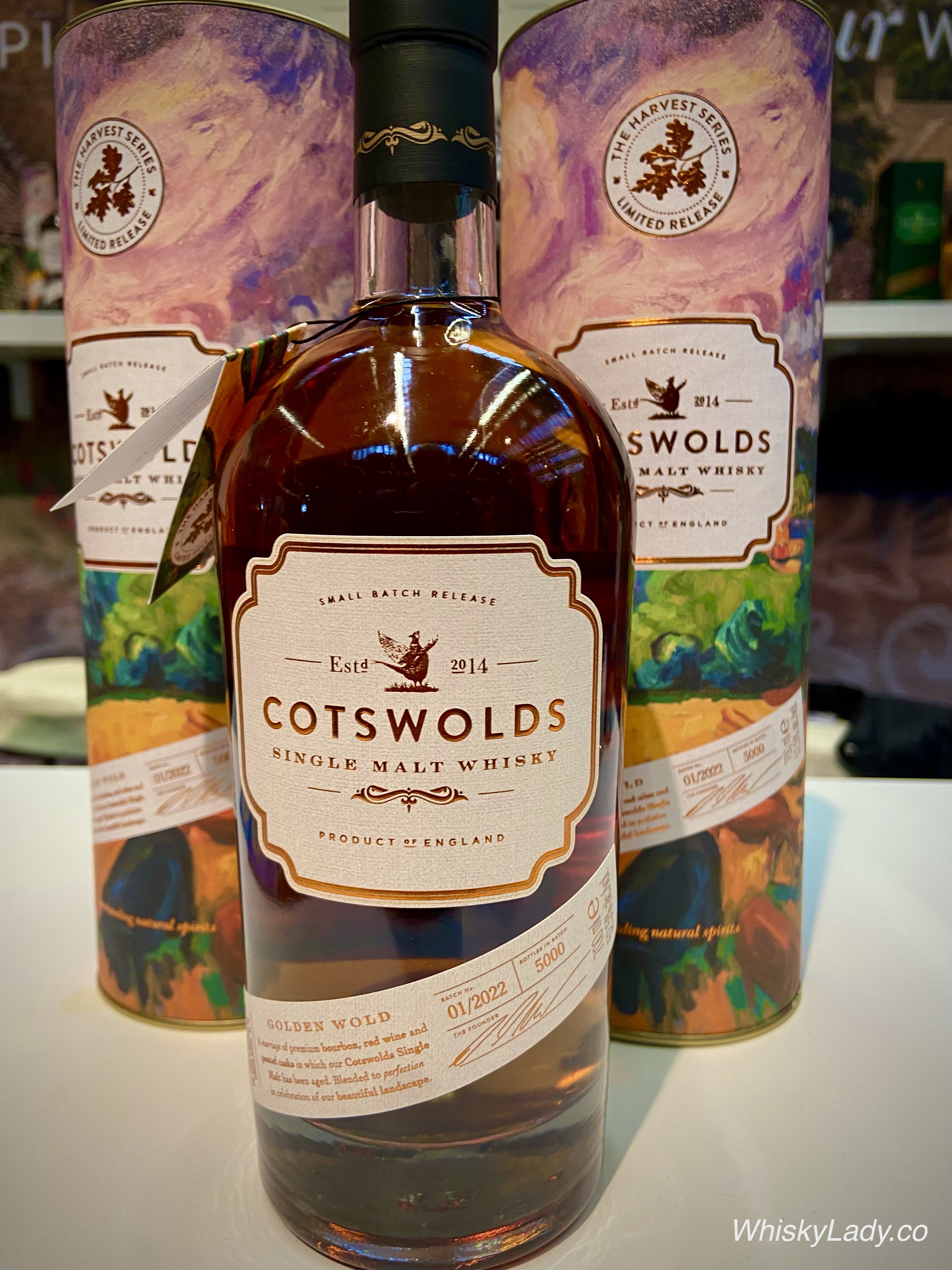
The English Whisky Co (aka St. George’s Distillery) kicked off the rebirth, launching their whiskies in 2006. They were soon joined by other players – notably Cotswolds – known for traditional methods with a twist in the fermentation process that produces fruity flavours fairly fast. Former Macallan master blender Dhavall Gandhi is behind the Lakes Distillery’s “holistic maturation” approach – treating the cask and spirit as a single evolving entity.
Further distilleries took specialised approaches like Fielden, who honed the “grain” part of the revival using heritage grains,19th century agricultural methods. On the other end of the specialisation spectrum lies Wire Works who focused on the “process” using local live brewers’ yeast and a long fermentation, bringing a technical (even industrial?) approach to whisky making.
- Cotswolds
- Cotswolds White Pheasant New Make Spirit (2022) 63.5%
- Cotswolds Founder’s Choice (2002)59.1%
- Cotswolds Harvest Series (2022) 52.5%
- Cotswolds Peated Cask (2022) 59.6%
- Cotswolds Sherry Cask Single Malt (2022) 57.4%
- Cotswolds Signature Single Malt (006/2018) 46% / 2022 @ London Whisky Show
- Cotswolds 3 year, Batch 1, 50.1% (TBWC) WL
- The English Whisky Company
- Fielden (Prev. The Oxford Artisan Distillery)
- Lakes Distillery Steel Bonnets 46.6%
- Wire Works (White Peak Distillery)
- English Blends
- BARLEY English Blended Malt Whisky 46% (The Heart Cut X)
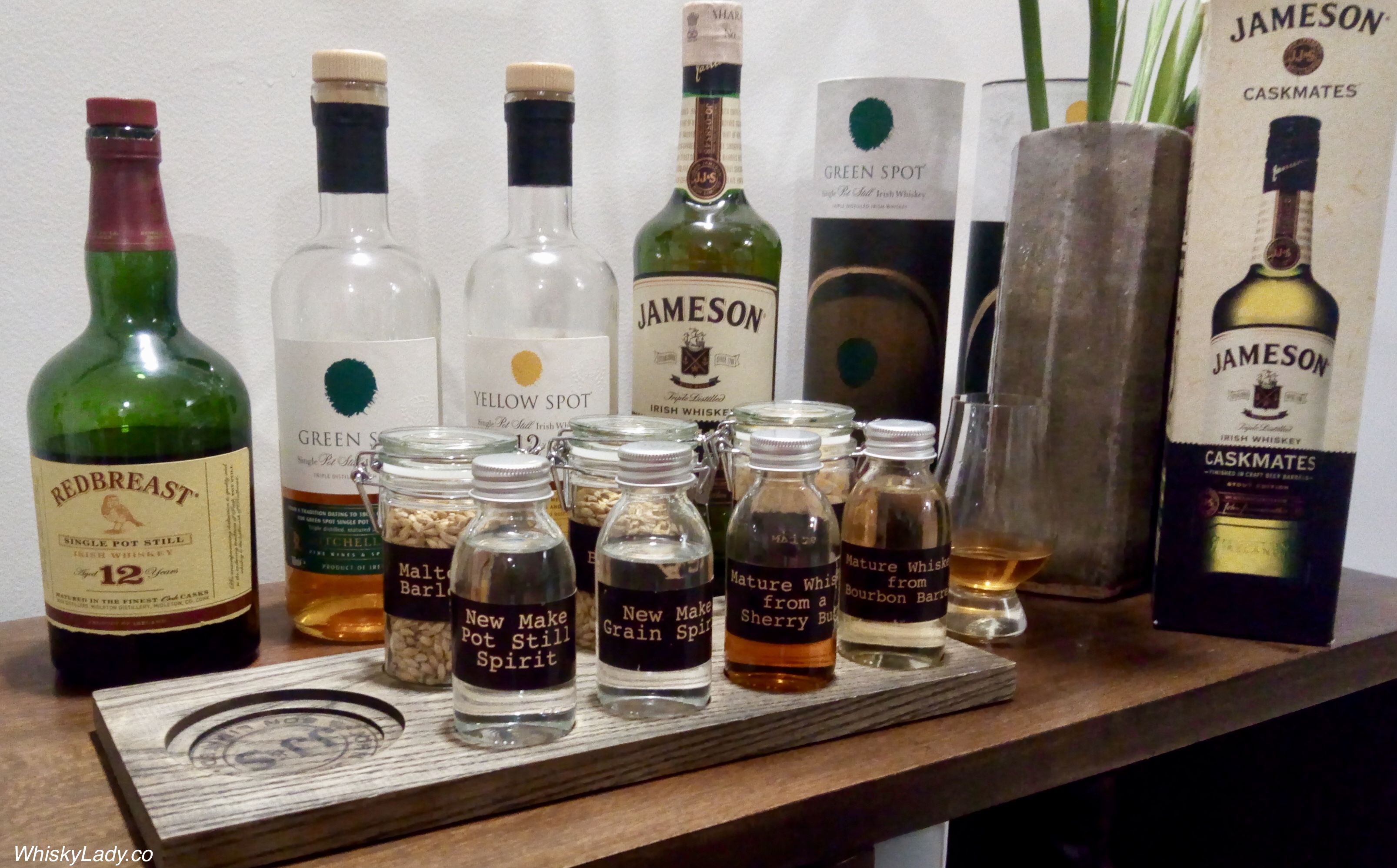
Over the years, our sampling adventures of Ireland’s whisky offerings have led to the general impression that if you want a sociable dram, chances are an Irish whisky will fit the bill! While most are triple distilled and do not use peat, as always in the world of whisky, for every ‘rule’ there are exceptions. Irish whiskey has certainly made a comeback with several new distilleries entering the mix too!
- Boann Madeira 47%
- Bushmills, BMC & Whisky Ladies Irish Eve WL
- Connemara Original Peated 40%, Oct’16 , Dec’20 + Mar’24 WL
- Dingle
- Dundalk Dew 9 year (2009) Single Grain 58.7% (WW8)
- Glendalough
- Grace O’Malley Blended Irish Whiskey 40%
- Greenore Single Grain 18 years 46%
- Hyde
- Jameson Evening
- Kilbeggan Single Pot Still 43%
- Knappogue Castle
- Method and Madness
- Midleton
- Powers 12 year 46%
- Redbreast
- Roe & Co Cask Strength Limited Release 2019 Edition 59.1%
- The Sexton 11 year ex-Oloroso 43% WL
- Spots
- Teeling
- Teeling Brabazon Bottling Port 49.5% (Series 2) WL
- Teeling Brabazon Bottling Sherry 49.5% (Series 1) WL
- Teeling NAS 46%
- Teeling Single Grain Wine Cask 46%
- Teeling Small Batch Reserve Sherry 16 year 43% (vomFASS)
- Teeling Small Batch Rum Cask 46%
- Teeling Single Malt 46% (WLS)
- Teeling Cask Strength (2002/2015) Madeira Cask No 933 55.2%
- The Quiet Man
- Tipperary 8 year Red Wine Cask 59.5%
- Tullamore D.E.W.
- Tyrconnell Single Malt 40% + 10 year Madeira Cask 46%
- Waterford
- West Cork
- Writers Tears Cask Strength (2013 Release) 53%
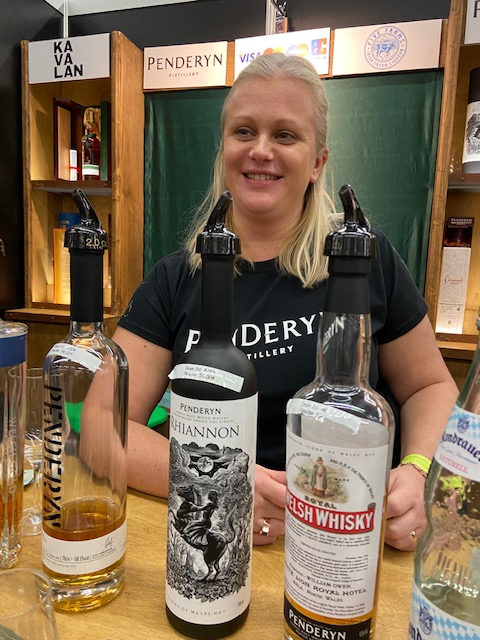
Wales beat England to the revival “punch” with the founding of Penderyn in 2000 with their Faraday single pot still – which produces an incredibly high 92% ABV in a single pass – part of what enables a light, fruity house style in contrast with most heavier Scottish whiskies. A few other distilleries have joined Penderyn in Wales, however, so far I’ve only had a chance to sample Dà Mhile’s gin rather than whisky!
- Penderyn Dragon range – Legend, Myth, Celt 41% WLE
- Penderyn Faraday 46% WL
- Penderyn Sherrywood, Madeira, Peated
- Penderyn Madeira 46% 2017, 2019, 2020, 2022, 2025 WL
- Penderyn Portwood 46% WL
Irish-focused tastings:
- Jameson’s Quartet – Distillery Edition 40%, Crested 40%, Black Barrel 40%, Caskmate Stout Edition 40%
- BMC’s Method & Madness – Single Grain Virgin Spanish Oak Finish 46%, Single Malt French Limousin Oak Finish 46%, Pot Still Hungarian Oak Finish 46%, Pot Still Chestnut Finish 46%
- Whisky Ladies Irish Trio – Glendalough 13 year Mizunara Finish 46%, Teeling Brabazon Port 49.5% (Series 2) & Sherry 49.5% (Series 1)
- BMC’s Irish Dance – Dingle Triple Distilled Batch 3 46.5%, Method and Madness Single Pot Still 40%, Green Spot Chateau Leoville Barton Bordeaux Finish 46%, Redbreast Lustau Edition 46%
- Whisky Ladies Turn 3! Irish eyes are smiling – Jameson Caskmate Stout Edition 40%, Green Spot 40%, Yellow Spot 12 year 46%, Redbreast 12 year 40%
- Original’s Teeling Trip: Single Grain, Single Malt, Small Batch & Madeira Cask Strength
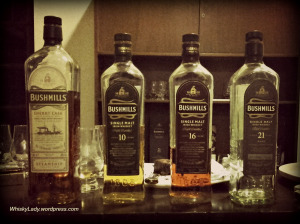
- BMC & Whisky Ladies “Irish Night” with Bushmills 10 year, 16 year, 21 year + Steamship
- Original’s Irish Night – The Wild Geese Rare 43%, Knappogue Castle 14 year 46%, Teeling Small Batch 46%
- Jameson Evening – 10, 12, Gold Reserve and 18 year
- Whisky Live Singapore – Teeling Tasting Trio
Interested in more? Check out:
You can also find Whisky Lady in India on:
- Facebook Whisky Lady in India – https://www.facebook.com/WhiskyLadyIN
- Twitter @WhiskyLadyIN
 Whisky Lady